Understanding the Basics of Exterior Painting
Welcome to the world of exterior painting! If you're a homeowner in Metairie, LA considering giving your home a fresh look, you're in the right place. This guide will walk you through the essentials of exterior painting, ensuring you start your project on the right foot.
Why Exterior Painting Matters
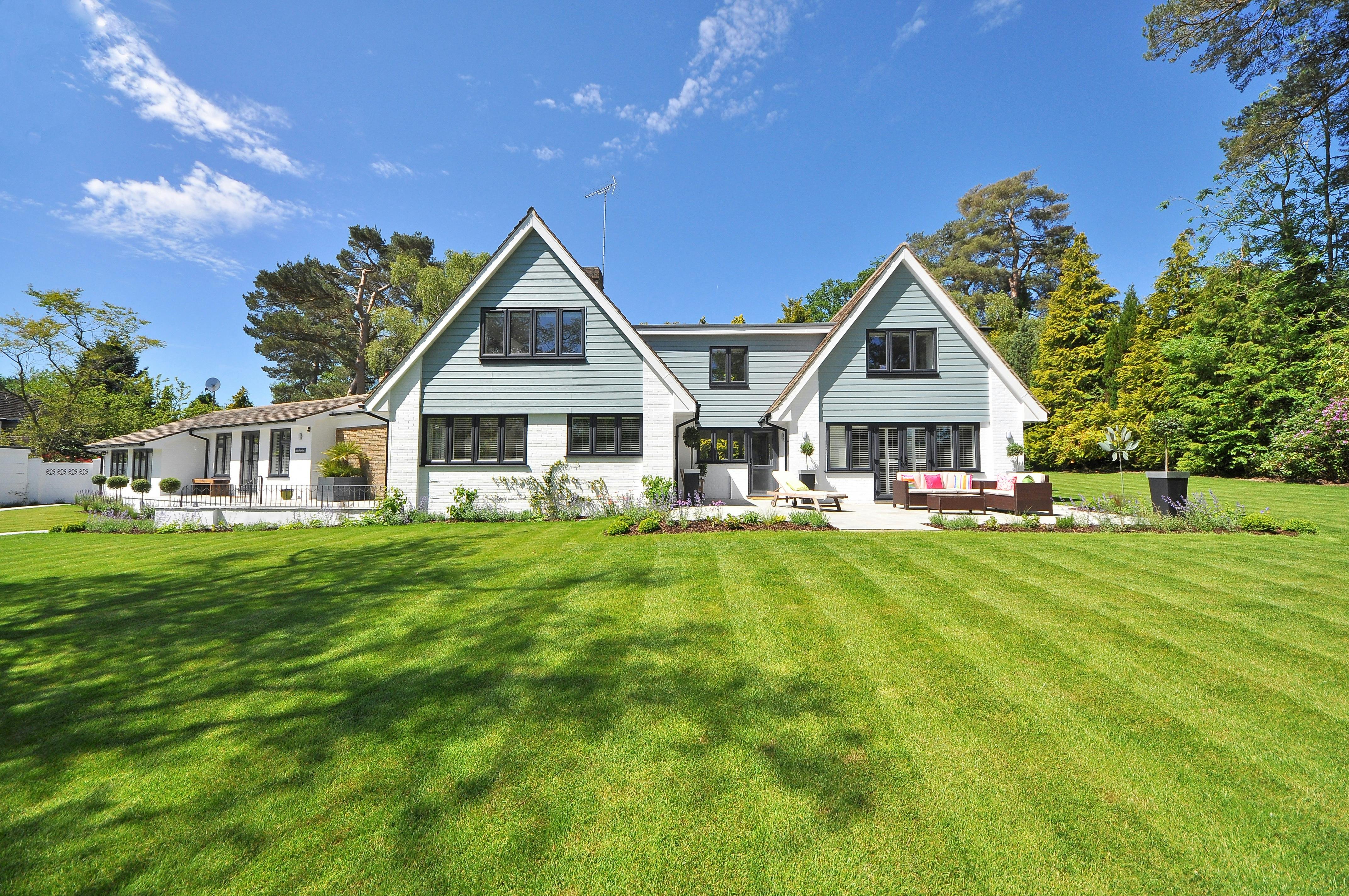
Exterior painting is more than just a cosmetic upgrade; it's a critical part of home maintenance. In Metairie, where weather conditions can be unpredictable, a good coat of paint protects your home from moisture, sun damage, and pests. It also enhances curb appeal, potentially increasing your property's value.
Key Considerations Before You Start
1. Choosing the Right Time
In Metairie's subtropical climate, timing is everything. Aim for the late spring or early fall when humidity levels are moderate, and temperatures are steady. Avoid the peak hurricane season to prevent weather-related delays.
2. Selecting the Right Paint
Not all paints are created equal. For Metairie homes, opt for high-quality, weather-resistant paints that can withstand the local climate. Acrylic latex paints are a popular choice due to their durability and flexibility.
3. Understanding Color Trends
While personal preference reigns supreme, understanding current color trends can help in making a decision. In 2026, earthy tones like sage green and terracotta are trending, offering a modern yet timeless aesthetic.
Step-by-Step Guide to Exterior Painting
Step 1: Preparation
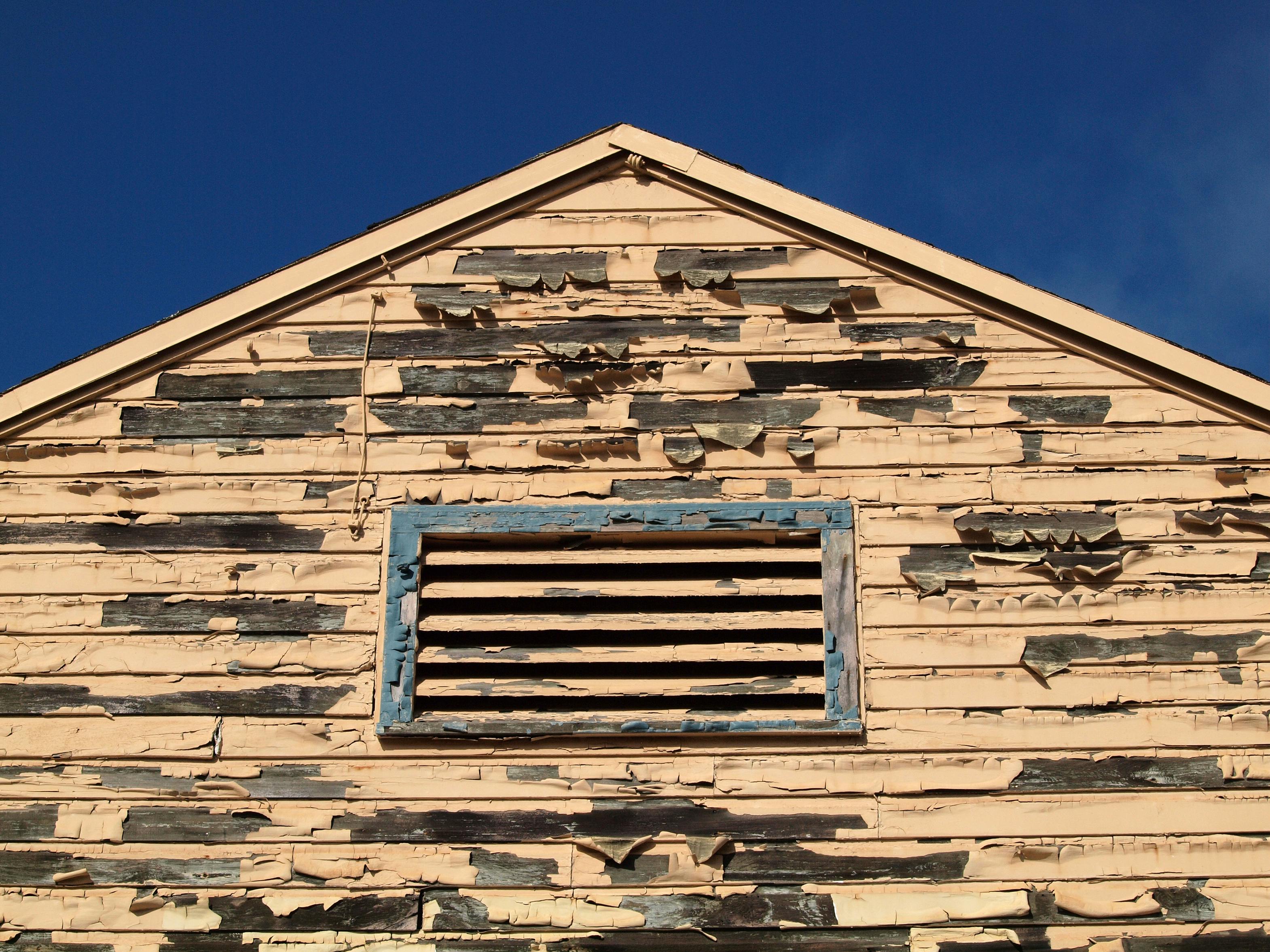
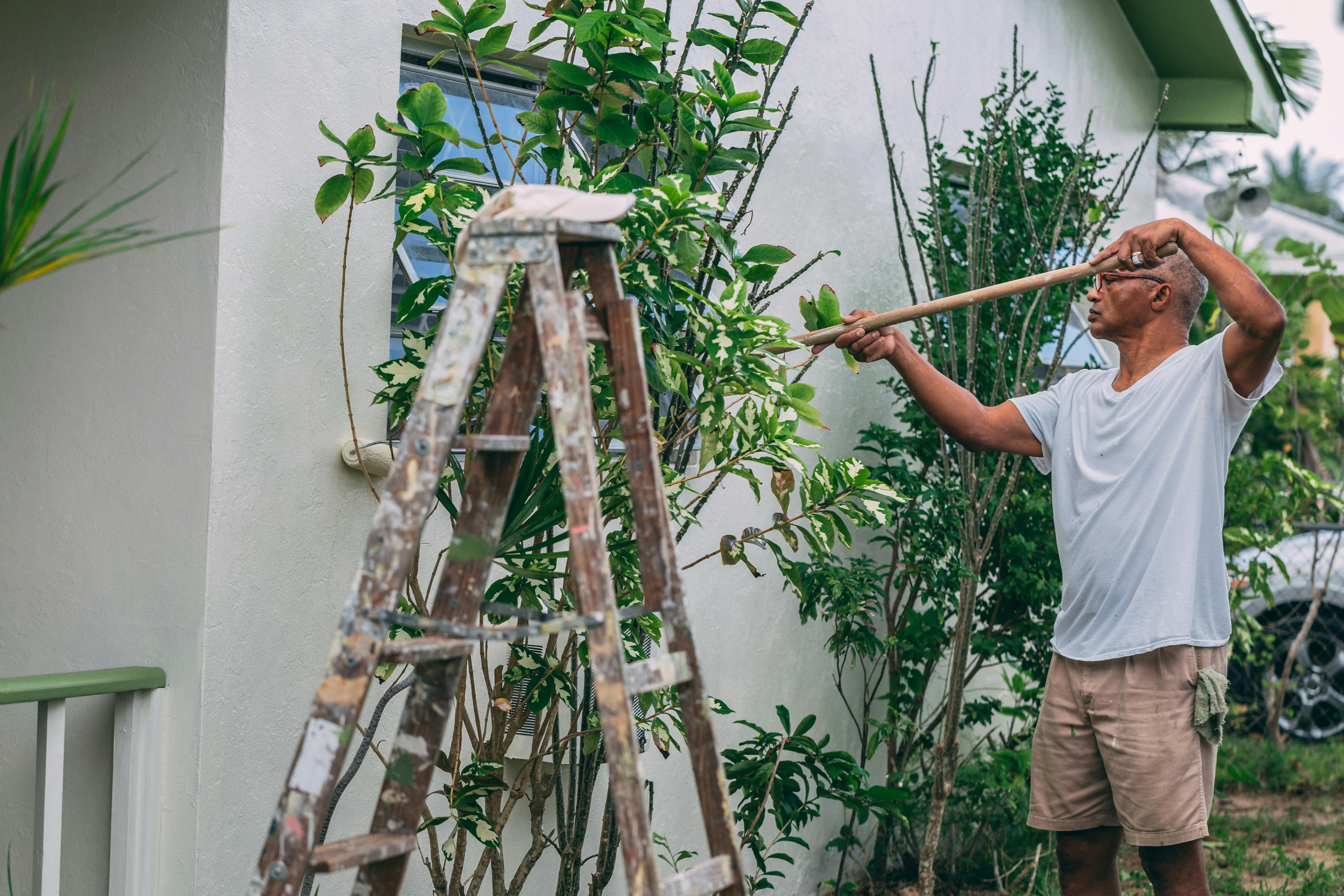
Preparation is key to a successful paint job. Start by cleaning the exterior surfaces with a power washer to remove dirt, mold, and mildew. Inspect for cracks, peeling, or damage, and make necessary repairs.
Step 2: Priming
Priming is crucial, especially if you're painting over a dark color or raw surfaces. A good primer ensures better paint adhesion and longevity. Choose a primer that suits the surface material—be it wood, stucco, or metal.
Step 3: Painting
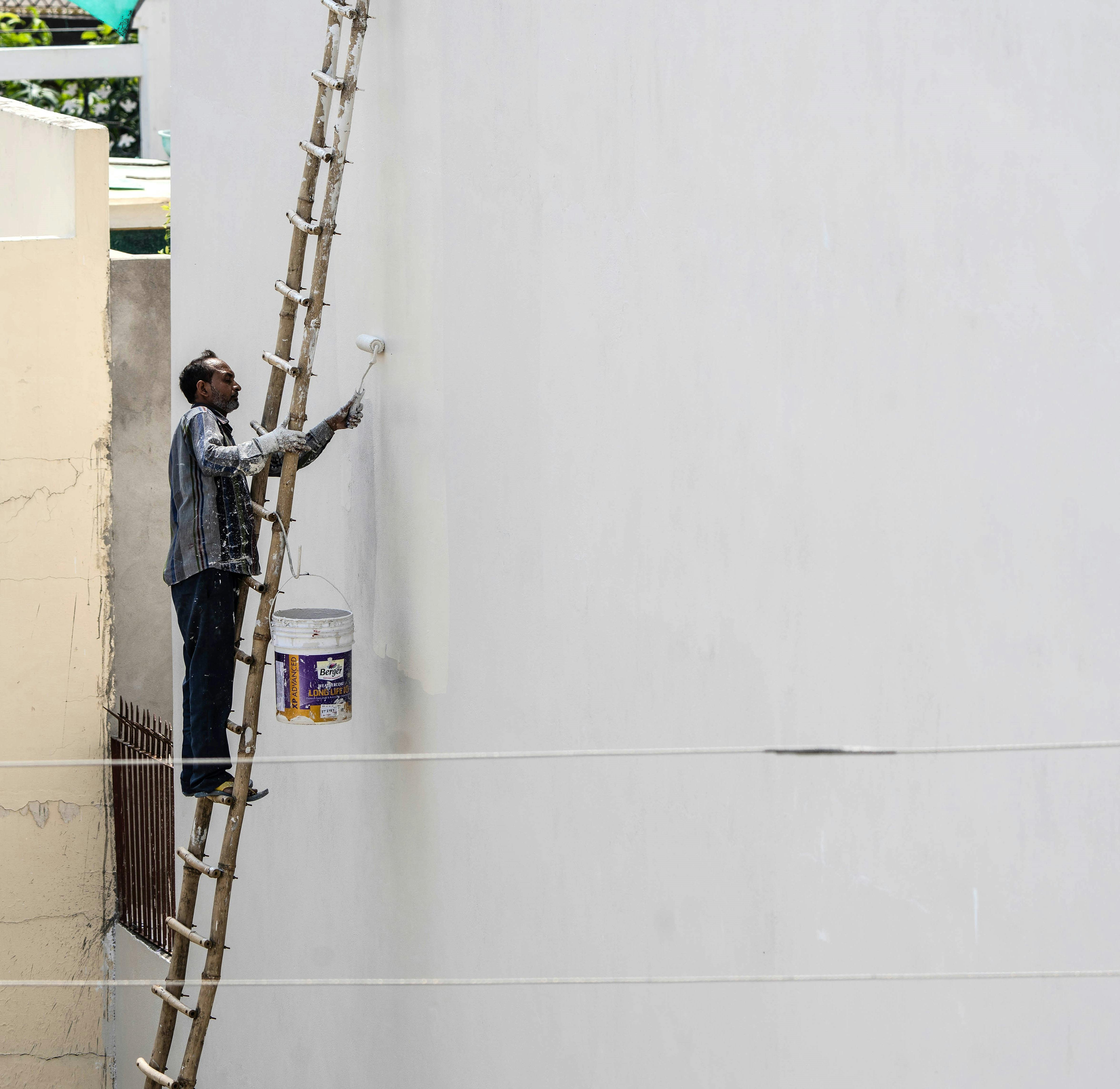
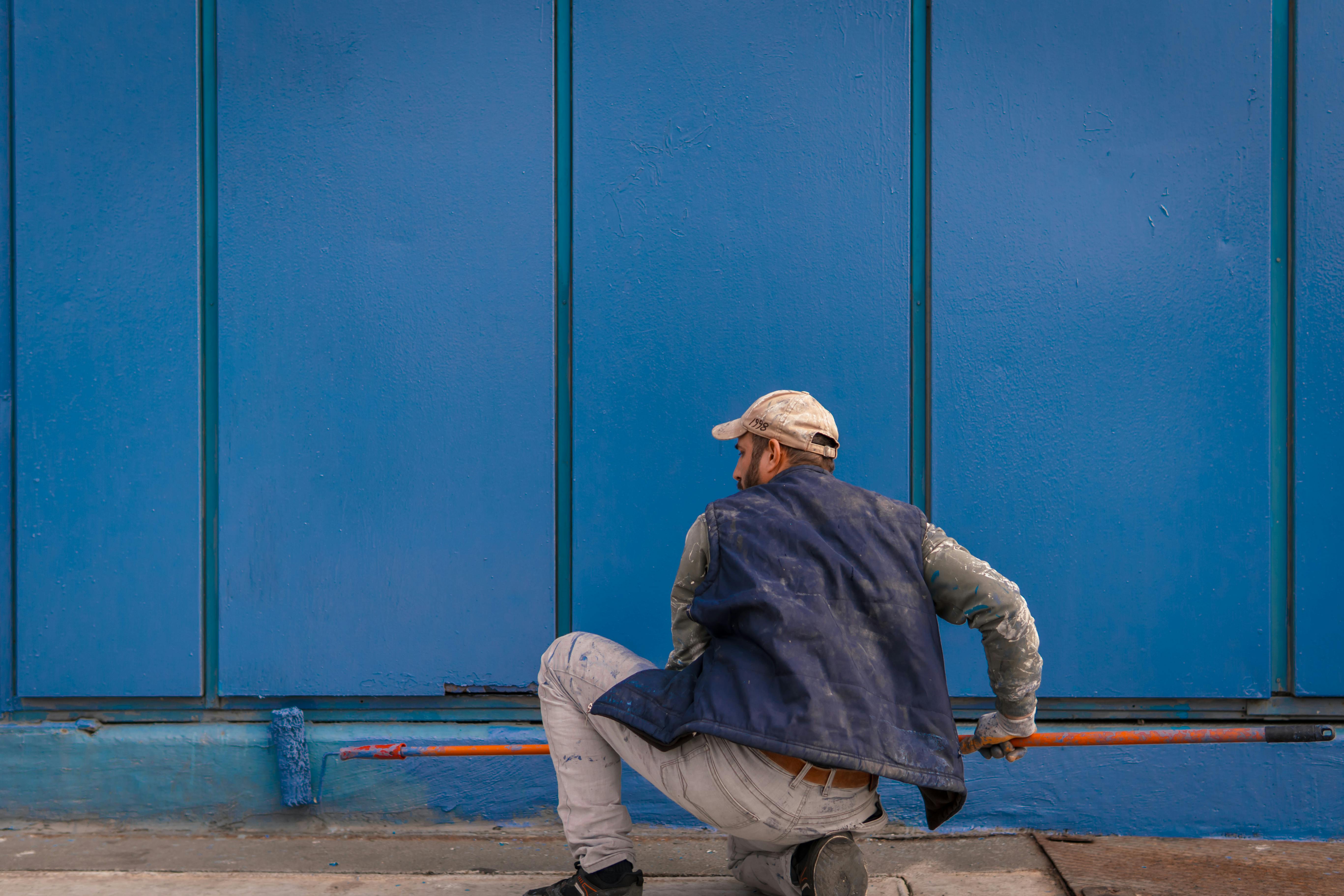
Once your surface is primed, it's time to apply the paint. Use brushes for corners and small areas, and rollers for large surfaces. Apply at least two coats for an even, durable finish, allowing adequate drying time between each coat.
Step 4: Finishing Touches
Don't overlook the details. Touch up trim, doors, and window frames with contrasting colors for a polished look. Ensure all hardware and fixtures are reattached securely.
Common Mistakes to Avoid
Even the most enthusiastic DIYers can make mistakes. Here are a few to watch out for:
- Skipping Prep Work: Failing to prepare surfaces can lead to peeling and uneven finishes.
- Ignoring Weather Conditions: Painting during hot, humid, or rainy days can affect paint adhesion and drying.
- Using Low-Quality Materials: Invest in good paints and tools to ensure a professional finish.
When to Call a Professional
While DIY projects are rewarding, sometimes professional help is necessary. Consider hiring experts like Perma Coat Protective Coating if:
- You lack the time or tools for preparation and painting.
- Your home has complex architectural features or is multi-story.
- You desire a professional-grade finish without the hassle.
Conclusion
Embarking on an exterior painting project in Metairie can transform your home's look and protect it from the elements. By following this beginner's guide, you can achieve professional results while enjoying the process. Whether you go DIY or opt for expert assistance, the key is careful planning and execution. If you have any questions or need professional services, feel free to reach out to Perma Coat Protective Coating for expert advice and assistance.