Understanding the Basics of Exterior Painting
For many homeowners in Metairie, LA, the idea of tackling an exterior painting project can seem daunting. However, understanding the fundamentals can make a world of difference. This guide aims to demystify the process by breaking down technical concepts into simple terms, ensuring you feel confident in making decisions about your home's exterior.
Why Exterior Painting Matters
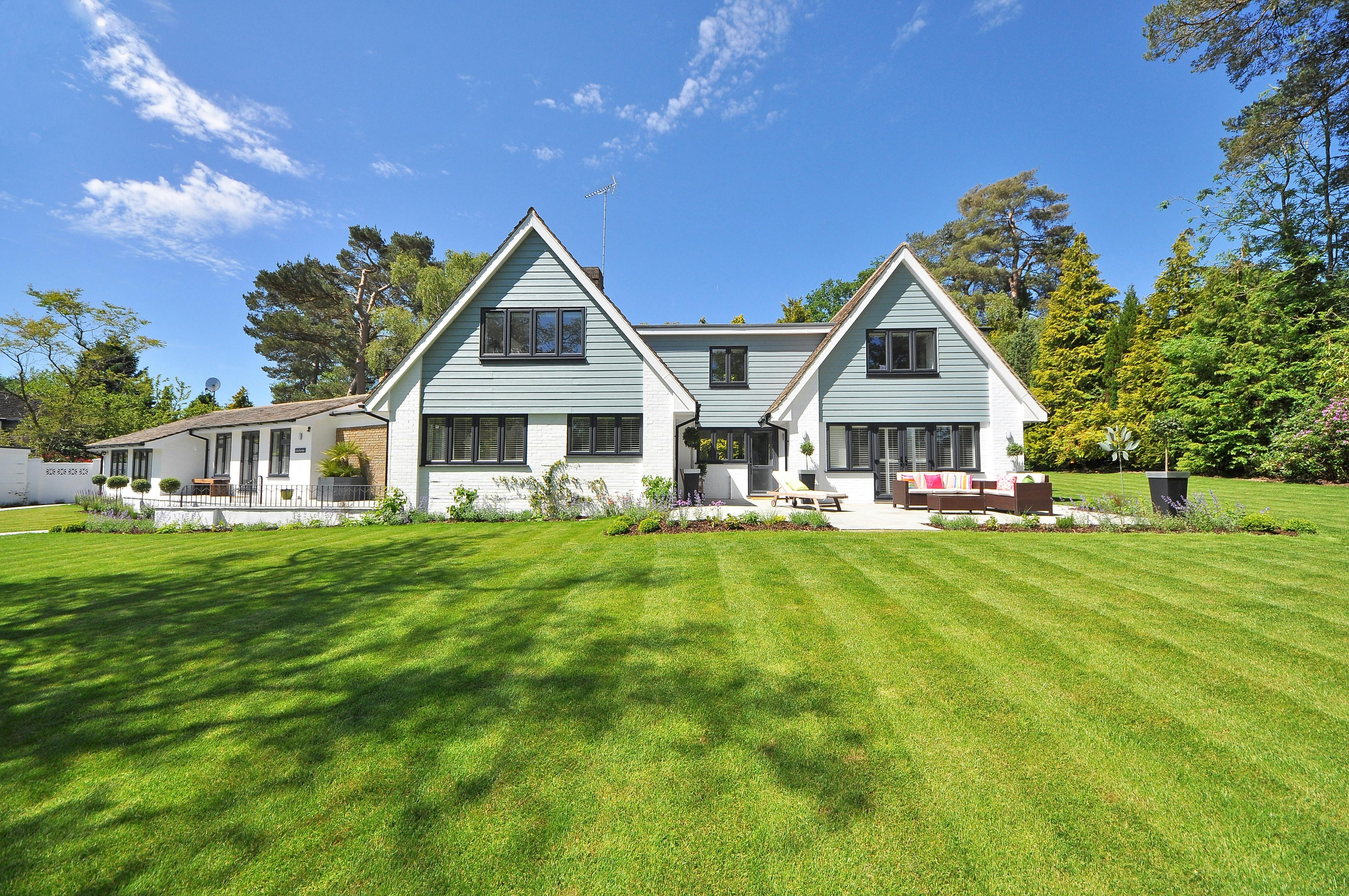
Before diving into the technical aspects, it’s important to recognize why exterior painting is crucial. Not only does a fresh coat of paint enhance your home's curb appeal, but it also protects the structure from weather elements like rain, sun, and humidity, which are particularly prevalent in Metairie.
Key Components of Exterior Painting
1. Surface Preparation
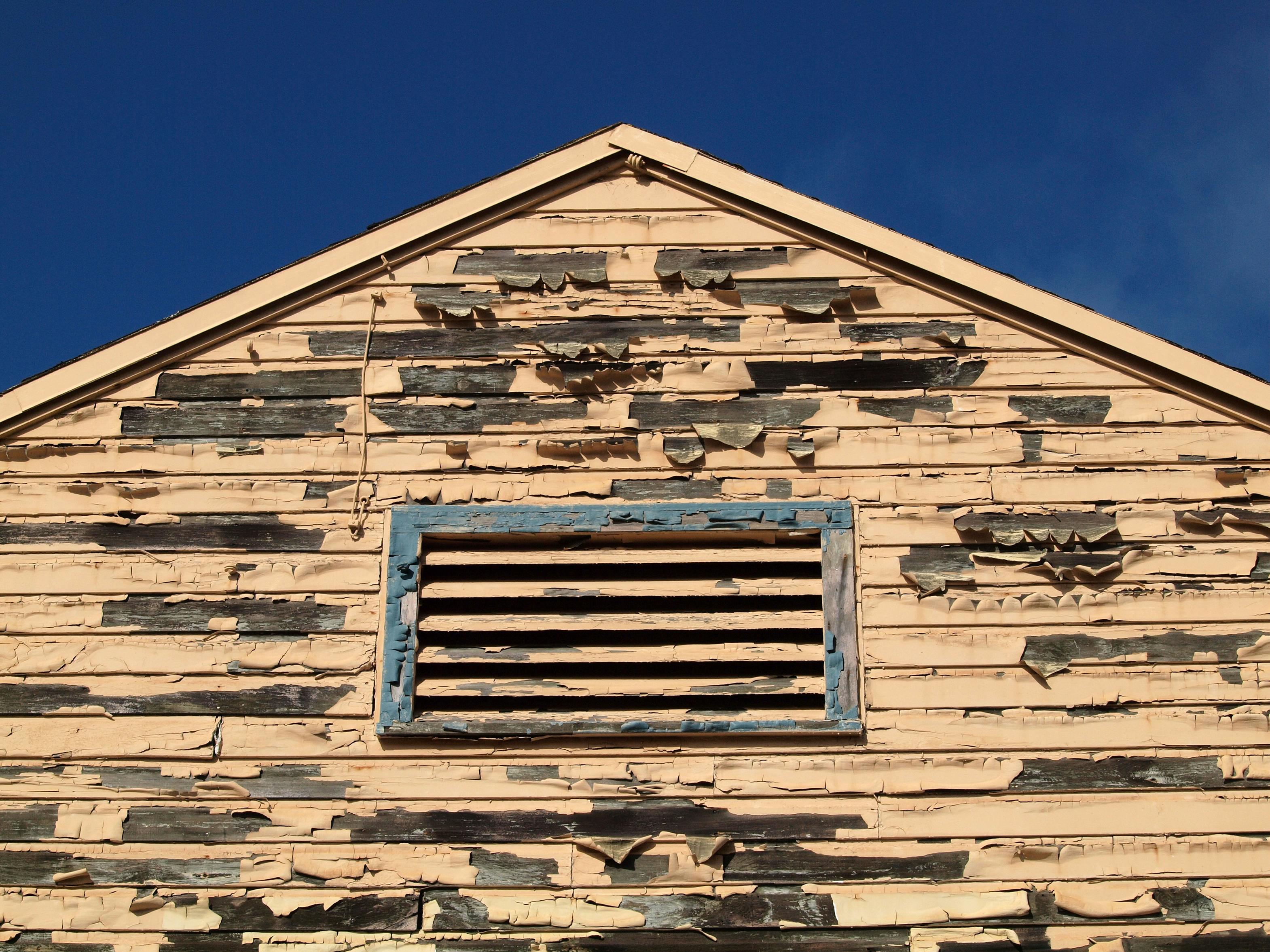
Imagine trying to stick a Band-Aid on a wet surface — it just doesn’t work well. Similarly, the paint won’t adhere properly if the surface isn't prepared correctly. Surface preparation involves cleaning, sanding, and repairing any damage to ensure the paint sticks well and looks smooth.
- Cleaning: Use a pressure washer to remove dirt, mildew, and loose paint.
- Sanding: Smoothens the surface by removing old paint flakes.
- Repairing: Fix any cracks or holes with caulk or filler.
2. Choosing the Right Paint
Paint isn’t just paint. There are various types, each suited for different needs. Two common categories are latex and oil-based paints . Latex is water-based, dries quickly, and is environmentally friendly, making it ideal for most exterior projects. Oil-based paint is more durable and is often used for surfaces that require a tough finish.
3. The Importance of Primer
Think of primer as a glue for paint. It provides a stable base for the paint to adhere to, ensuring a longer-lasting finish. Primers are especially important for bare wood and surfaces that have been stripped of paint.
Step-by-Step Painting Process
1. Gathering Materials
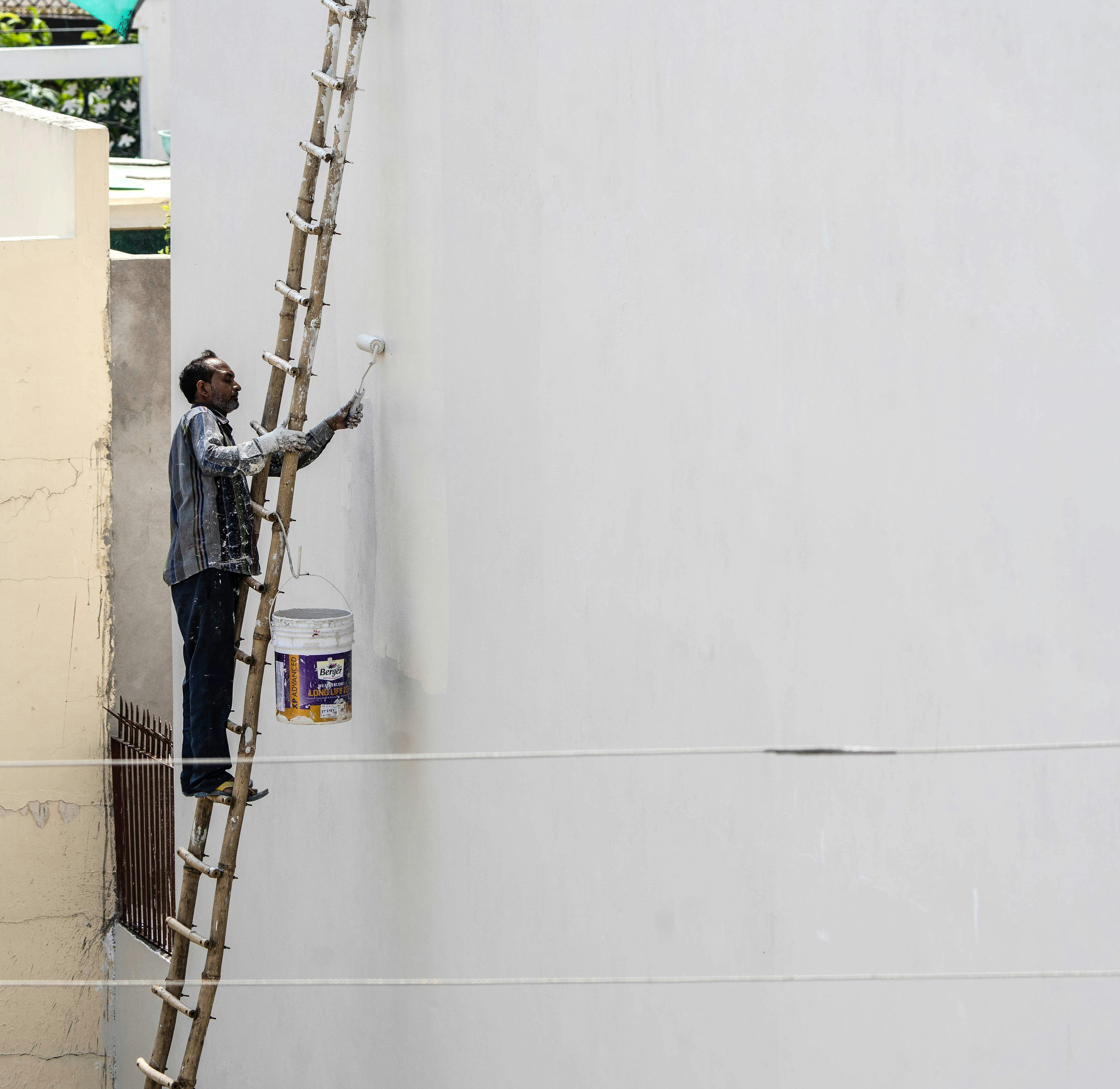
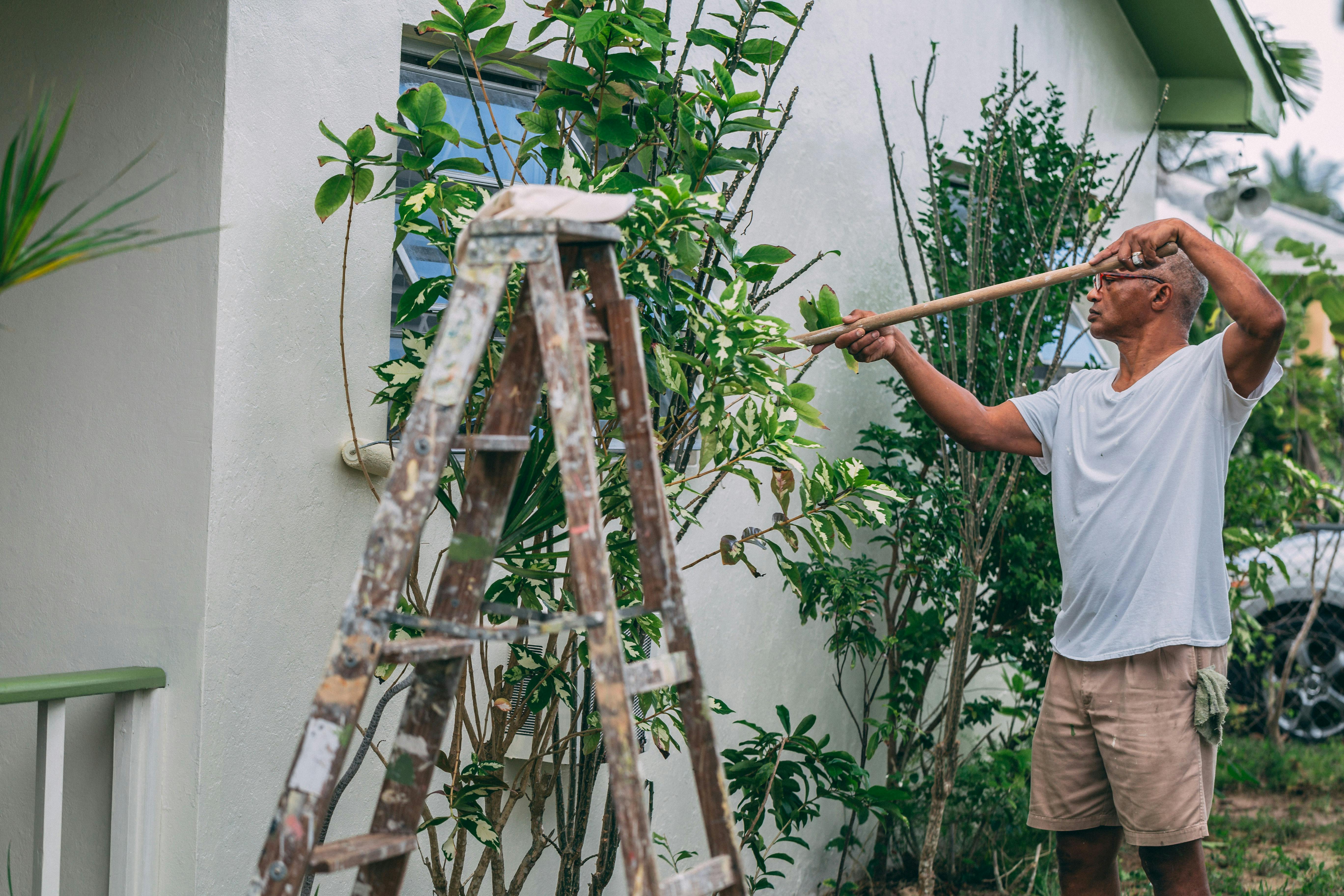
Before you start, ensure you have all the necessary tools: paint brushes, rollers, painter’s tape, drop cloths, and a ladder.
2. Application Techniques
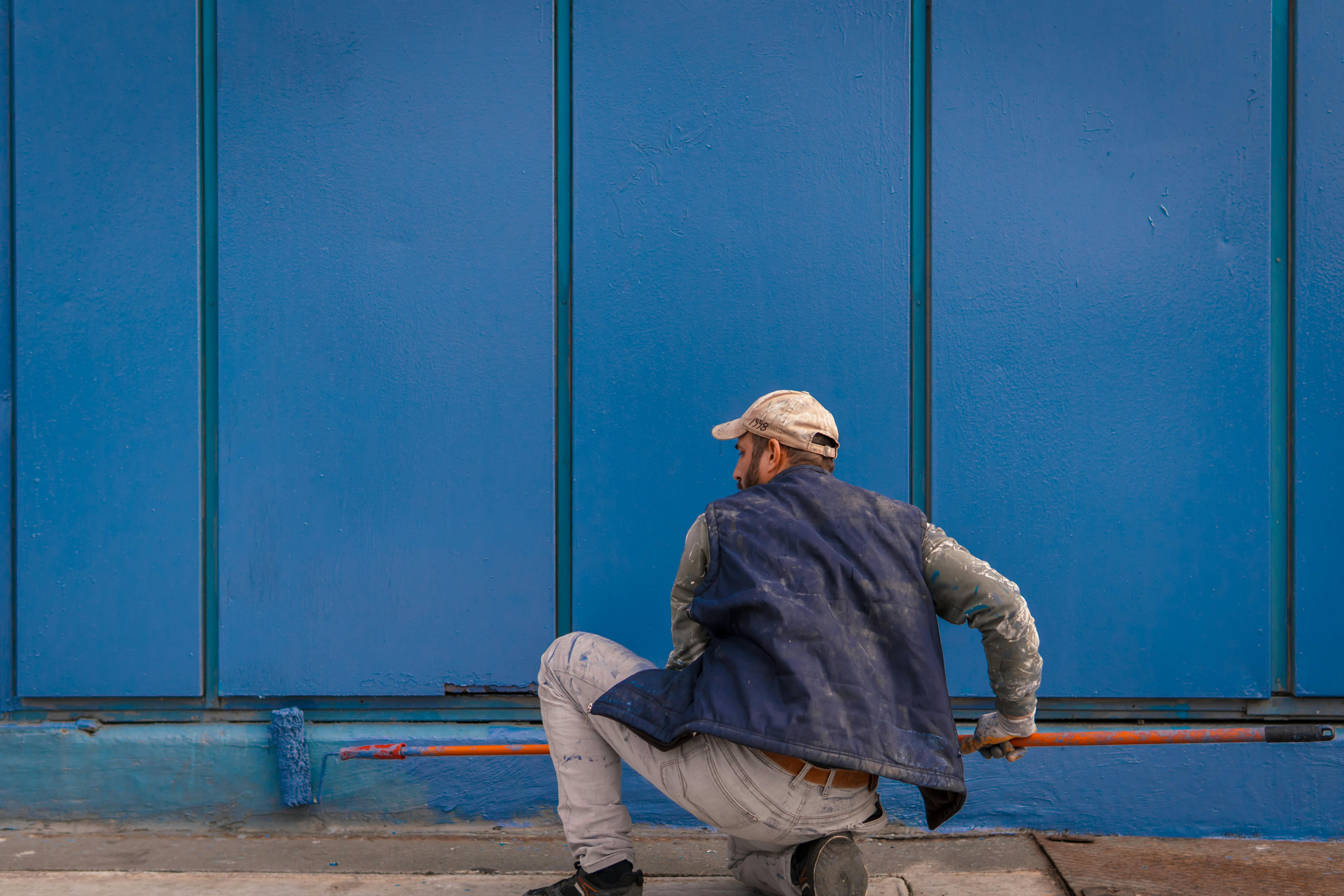
When it comes time to paint, technique matters. Start with the edges using a brush, then switch to a roller for larger areas. This approach ensures even coverage and minimizes visible lines.
3. Drying and Recoating
Patience is key. Allow each coat to dry thoroughly before applying the next. This prevents peeling and ensures a smooth finish.
Common Mistakes and How to Avoid Them
- Skipping Prep Work: Never underestimate the power of a clean, well-prepped surface.
- Ignoring Weather Conditions: Avoid painting on rainy or extremely humid days.
- Overloading the Brush: Too much paint on your brush can lead to drips and uneven coverage.
Hiring Professionals vs. DIY
While DIY painting can save money, hiring professionals like Perma Coat Protective Coating ensures a high-quality finish. Professionals have the expertise to handle complex surfaces and can save you time and effort, especially in Metairie's challenging climate.
Conclusion
Exterior painting doesn’t have to be intimidating. By understanding these basic concepts and steps, Metairie homeowners can make informed decisions about their painting projects. Whether you choose to DIY or hire a professional, a well-painted exterior is an investment in your home’s beauty and longevity. For those looking for expert help, Perma Coat Protective Coating is ready to assist with all your exterior painting needs.